Great Planes
World Class Radio Controlled Models and Accessories
Great Planes
GalleryProduct ReviewsWhere to Buy
HomeR/C AirplanesAccessoriesAdhesivesToolsField EquipmentBuilding EquipmentElectriFly AccessoriesOther Products
ElectriFly
Real Flight R/C Flight Simulator
Technical DataGlossary of TermsAirplane Skill Level GuideSuggested Engines & Radio SystemsAircraft Comment Form
About Great PlanesRequest a Catalog
Tech Notice
CAP 232 logo

CAP 232 photo
Convert to Electric

Contest-level aerobatics...in an easy-building, .40-size all-wood CAP kit!

Aspiring tournament pilots don't have to have a large, expensive kit to compete in MinIMAC events...all they need is the CAP 232 from Great Planes! Knife-edge loops, waterfalls, torque rolls - this model can perform any 3-D maneuver in the book, and look good doing it.

In the air, the CAP 232's large rudder makes for easier handling, and the rear-mounted rudder servo features a shorter linkage that tightens the coupling for greater authority. A dual elevator pushrod system allows for infinite individual adjustablilty of each elevator half. With its ability to perform even the most radical freesytle aerobatics, this is one plane that's ready, willing and able to unleash a flier's "wild side".

  • The fuselage builds flat on the board and uses sheeting on the turtle deck, so there's less carving and sanding

  • A small number of interlocking, die-cut parts help ensure straight, strong assembly

  • The fuel tank tray has been designed for easy removal, and a separate smaller hatch allows for quick inspection of the fuel lines

  • With a .46 engine installed, the CAP 232 is very aerobatic, and this size power plant and muffler fits cleanly inside the 3-piece ABS cowl

  • Lightweight construction thanks to the expert use of lightening holes throughout the airframe

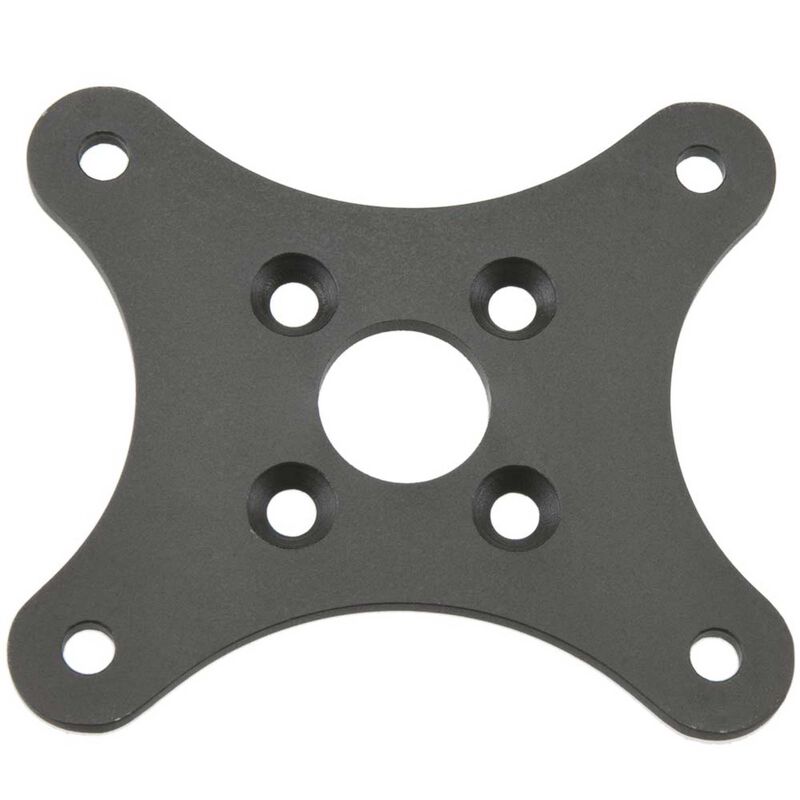
  • An adjustable engine mount made of reinforced nylon comes with the kit that perfectly fits any 2-stroke or 4-stroke engine within the recommended range
Sheeting Bare frame

Fuselage construction provides an excellent example of the CAP 232's builder-friendly engineering. It goes together flat on the board, and balsa sheeting replaces much time-consuming carving and sanding.

Great Planes gave the CAP 232 slight dihedral, large control surfaces, and lots of lightening holes to reduce weight. For all of these reasons, it's remarkably stable during stalls and slow flight-ideal for inexperienced low-wing pilots.

 
Fuel tank hatch Fuel Tank

Inspecting the CAP 232's fuel lines is as simple as removing the cowl and lifting up the small hatch shown here.

You also have fast, easy access to the fuel tank which sets into a handy, removable tray.

[ Check out reviews by Model Airplane News & R/C Modeler Magazine ]


"This CAP 232 exemplifies the Great Planes philosophy that an unlimited-level competition aerobat must first be easy and predictable to fly."

Don Anderson's signature
Don Anderson
President & Founder
Great Planes Model Manufacturing


SPECIFICATIONS
Stock Number: GPMA0232
Wingspan: 58 in (1475 mm)
Wing Area: 594 in² (38.3 dm²)
Weight: 4.75-5.25 lb (2154-2381 g)
Wing Loading: 18-20 oz/ft² (55-61 g/dm²)
Length: 52 in (1320 mm)
Requires: 2-stroke .40-.46 cu in (6.5-7.5 cc) or 4-stroke .52-.70 cu in (8.5- 11.5 cc) engine; 4-channel radio w/4 servos and a 24" servo lead extension for the rudder servo; 2+ rolls MonoKote
PDFProduct Manual - Parts Listing - Accessories Needed

Technical Data: control throws, center of gravity, etc.

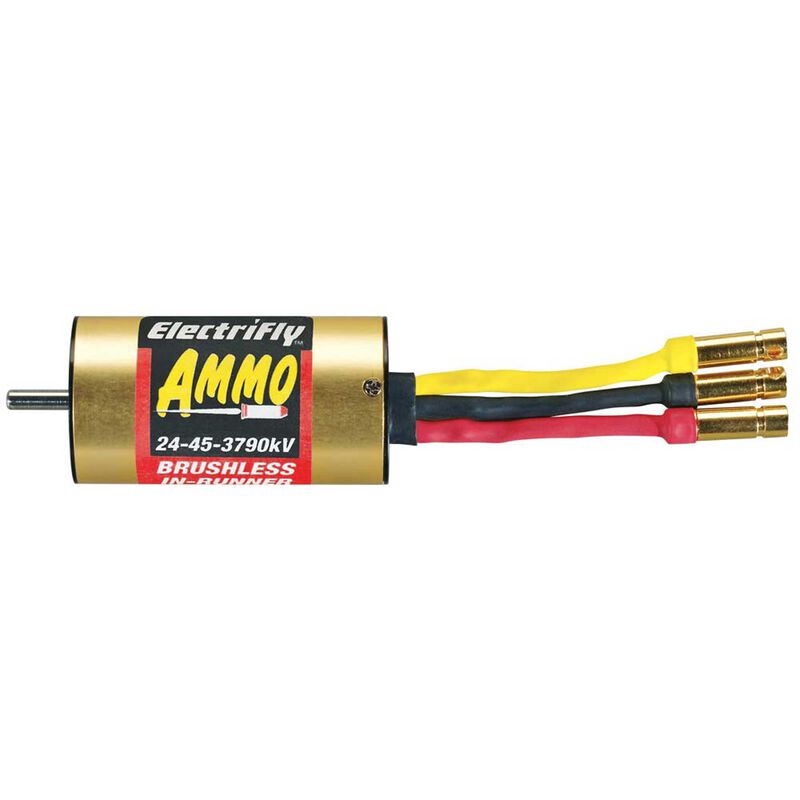
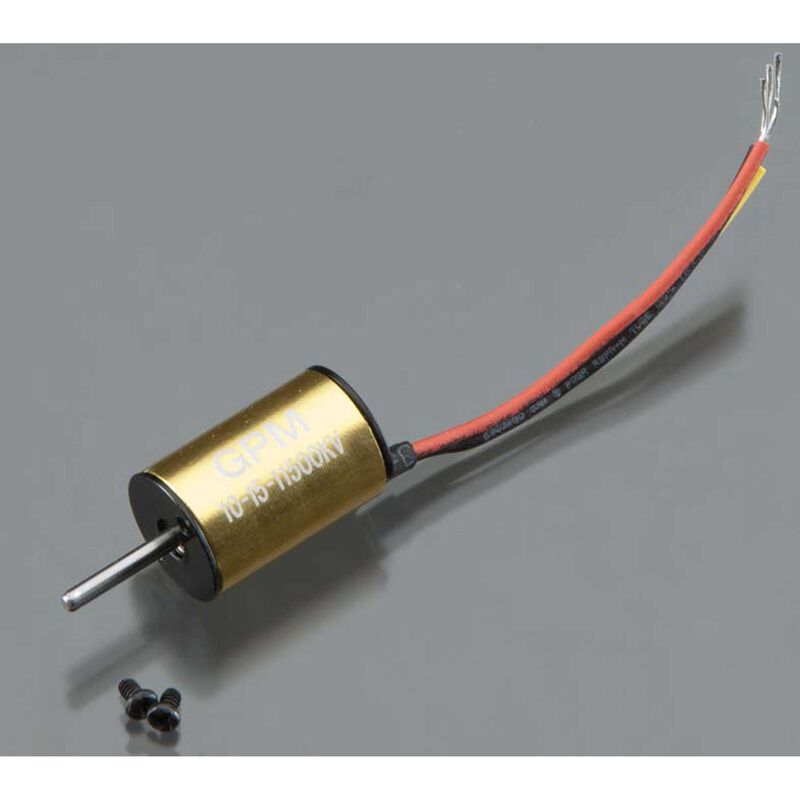
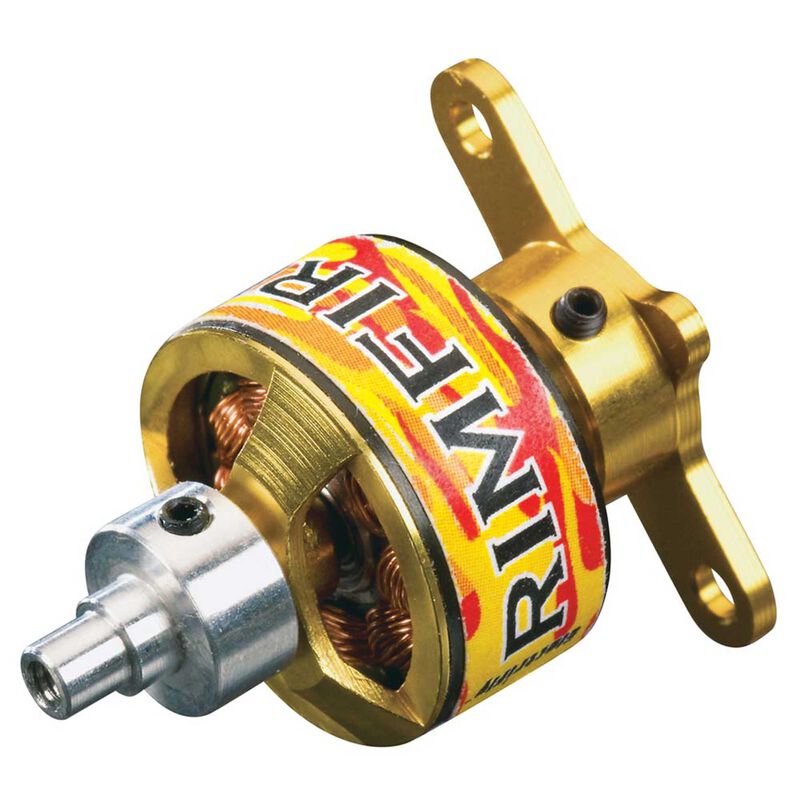
Items needed to convert this plane to electric
Motor ESC Power/Battery Aeronaut Prop APC Prop Gear Drive Drive Set
FUN600-17 (KONG2200) Jazz 40-10-24
Jazz 40-10-32
35A at 20 cells (24.0V) 14 x 9.5" 13 x 10E (APCQ4140)   Brushless Set 600 (KONG5060)
Tango 45-06 (KONG2400) Jazz 40-6-18 (KONM3100) 36A at 16 cells (19.2V) 12 x 7" 12 x 6E (APCQ4130) direct  
Tango 45-06 (KONG2400) Jazz 40-6-18 (KONM3100) 38A at 14 cells (16.8V) 13 x 8" 12 x 8E (APCQ4133) direct  

Copyright © 1998-2008 Hobbico, Inc. Terms of Use | Privacy Statement
All rights reserved. Do not duplicate or redistribute in any form.
 
Suggest Our Next New Airplane